GivEnergy installers and system support
Compare GivEnergy installer enquiries, battery requirements and support. Check company claims and current product information with the manufacturer.
Choose the job before choosing a package
A GivEnergy enquiry might concern a new solar-and-battery installation, adding storage to an existing array, expanding a system or resolving a fault. Tell the company which you need. A business that installs new equipment does not necessarily service every older model or accept installations completed by another company. The directory records below are a starting point for that conversation, not independent confirmation of current manufacturer approval.
For a retrofit, provide the existing specification
Send the inverter make and model, existing panel capacity, battery details if any, and the installation documents you have. Ask the contractor to identify retained and replaced equipment and explain compatibility in writing. Compare the complete installed scope rather than a battery module price. If backup matters, describe the circuits and appliances you need supported and ask which equipment and electrical work the proposal includes.
Compare models, usable storage and power
Ask for the exact GivEnergy equipment names and quantities, usable storage capacity and charge/discharge limits. Confirm the proposed location, access requirements, monitoring and commissioning. Establish whether additional electrical work is included and ask how substitutions would be agreed. Our battery installation guide provides a fuller quote-comparison checklist, including the distinction between capacity, power and backup requirements.
Arrange support for an existing system
For a fault, record the symptoms, visible fault codes and when the problem began. Ask whether the contractor can investigate remotely, what a diagnostic visit costs and how it handles manufacturer enquiries. Product warranty cover, workmanship, labour, travel and site access are separate questions. Keep the equipment and warranty records available and do not assume that replacing the system is the necessary first step.
Check manufacturer information and handover
Use GivEnergy’s current contact and support route to clarify product or manufacturer-status questions. Ask the installation company who supplies monitoring access, registers warranties and remains your aftercare contact. If expansion is planned, obtain the current compatibility and warranty conditions rather than a general promise that more storage can always be added. Company-stated brands and historical directory categories are not manufacturer certification.
Guide reviewed 19 September 2026. Official sources are linked above.
Find GivEnergy installers and system support in your area:
East Midlands
- GivEnergy installers and system support in Boston
- GivEnergy installers and system support in Brixworth
- GivEnergy installers and system support in Chesterfield
- GivEnergy installers and system support in Derby
- GivEnergy installers and system support in Grantham
- GivEnergy installers and system support in Leicester
- GivEnergy installers and system support in Lincoln
- GivEnergy installers and system support in Northampton
- GivEnergy installers and system support in Nottingham
- GivEnergy installers and system support in Oakham
- GivEnergy installers and system support in Spalding
- GivEnergy installers and system support in Sutton In Ashfield
- GivEnergy installers and system support in Worksop
East Of England
- GivEnergy installers and system support in Basildon
- GivEnergy installers and system support in Benfleet
- GivEnergy installers and system support in Braintree
- GivEnergy installers and system support in Cambridge
- GivEnergy installers and system support in Chelmsford
- GivEnergy installers and system support in Colchester
- GivEnergy installers and system support in Epping
- GivEnergy installers and system support in Essex
- GivEnergy installers and system support in Grays
- GivEnergy installers and system support in Great Yarmouth
- GivEnergy installers and system support in Huntingdon
- GivEnergy installers and system support in King S Lynn
- GivEnergy installers and system support in Lanman
- GivEnergy installers and system support in Leigh On Sea
- GivEnergy installers and system support in Leighton Buzzard
- GivEnergy installers and system support in Luton
- GivEnergy installers and system support in Newmarket
- GivEnergy installers and system support in Norwich
- GivEnergy installers and system support in Ongar
- GivEnergy installers and system support in Potters Bar
- GivEnergy installers and system support in Rayleigh
- GivEnergy installers and system support in South Ockendon
- GivEnergy installers and system support in Stanford Le Hope
- GivEnergy installers and system support in Stowmarket
- GivEnergy installers and system support in Thetford
- GivEnergy installers and system support in Waltham Abbey
- GivEnergy installers and system support in Wickford
- GivEnergy installers and system support in Witham
Ireland
London
- GivEnergy installers and system support in Bromley
- GivEnergy installers and system support in Camden
- GivEnergy installers and system support in Chessington
- GivEnergy installers and system support in Ealing
- GivEnergy installers and system support in Harrow
- GivEnergy installers and system support in London
- GivEnergy installers and system support in South Ockendon
- GivEnergy installers and system support in Wallington
- GivEnergy installers and system support in Waltham Forest
North East
- GivEnergy installers and system support in Darlington
- GivEnergy installers and system support in Gateshead
- GivEnergy installers and system support in Hartlepool
- GivEnergy installers and system support in Newcastle Upon Tyne
- GivEnergy installers and system support in Redcar
- GivEnergy installers and system support in Sunderland
North West
- GivEnergy installers and system support in Carnforth
- GivEnergy installers and system support in Liverpool
- GivEnergy installers and system support in Manchester
- GivEnergy installers and system support in Nantwich
- GivEnergy installers and system support in Northwich
- GivEnergy installers and system support in Poulton Le Fylde
- GivEnergy installers and system support in Preston
- GivEnergy installers and system support in Sandbach
- GivEnergy installers and system support in Stockport
- GivEnergy installers and system support in Tarporley
- GivEnergy installers and system support in Warrington
- GivEnergy installers and system support in Wigan
- GivEnergy installers and system support in Wilmslow
Northern Ireland
Scotland
South East
- GivEnergy installers and system support in Aldershot
- GivEnergy installers and system support in Alton
- GivEnergy installers and system support in Battle
- GivEnergy installers and system support in Beaconsfield
- GivEnergy installers and system support in Bicester
- GivEnergy installers and system support in Camberley
- GivEnergy installers and system support in Chesham
- GivEnergy installers and system support in Cowes
- GivEnergy installers and system support in Emsworth
- GivEnergy installers and system support in Farnborough
- GivEnergy installers and system support in Fleet
- GivEnergy installers and system support in Gravesend
- GivEnergy installers and system support in Guildford
- GivEnergy installers and system support in Havant
- GivEnergy installers and system support in Hillcot
- GivEnergy installers and system support in Horsham
- GivEnergy installers and system support in Lancing
- GivEnergy installers and system support in Littlehampton
- GivEnergy installers and system support in Milton Keynes
- GivEnergy installers and system support in Newport
- GivEnergy installers and system support in Newport Pagnell
- GivEnergy installers and system support in Northiam
- GivEnergy installers and system support in Oxford
- GivEnergy installers and system support in Portsmouth
- GivEnergy installers and system support in Ramsgate
- GivEnergy installers and system support in Reading
- GivEnergy installers and system support in Sevenoaks
- GivEnergy installers and system support in Southampton
- GivEnergy installers and system support in Whitstable
- GivEnergy installers and system support in Woking
- GivEnergy installers and system support in Worthing
South West
- GivEnergy installers and system support in Bournemouth
- GivEnergy installers and system support in Bristol
- GivEnergy installers and system support in Cheltenham
- GivEnergy installers and system support in Chepstow
- GivEnergy installers and system support in Chippenham
- GivEnergy installers and system support in Christchurch
- GivEnergy installers and system support in Exeter
- GivEnergy installers and system support in Gillingham
- GivEnergy installers and system support in Gloucester
- GivEnergy installers and system support in Newton Abbot
- GivEnergy installers and system support in Poole
- GivEnergy installers and system support in Radstock
- GivEnergy installers and system support in Seaton
- GivEnergy installers and system support in Taunton
- GivEnergy installers and system support in Teignmouth
- GivEnergy installers and system support in Tiverton
- GivEnergy installers and system support in Weymouth
- GivEnergy installers and system support in Wimborne
- GivEnergy installers and system support in Yeovil
Wales
- GivEnergy installers and system support in Amlwch
- GivEnergy installers and system support in Caerphilly
- GivEnergy installers and system support in Ceredigion
- GivEnergy installers and system support in Colwyn Bay
- GivEnergy installers and system support in Deeside
- GivEnergy installers and system support in Ebbw Vale
- GivEnergy installers and system support in Holyhead
- GivEnergy installers and system support in Swansea
- GivEnergy installers and system support in Wrexham
West Midlands
- GivEnergy installers and system support in Birmingham
- GivEnergy installers and system support in Coventry
- GivEnergy installers and system support in Energyzone
- GivEnergy installers and system support in Hereford
- GivEnergy installers and system support in Newcastle
- GivEnergy installers and system support in Oldbury
- GivEnergy installers and system support in Rugeley
- GivEnergy installers and system support in Stratford Upon Avon
- GivEnergy installers and system support in Walsall
- GivEnergy installers and system support in Wolverhampton
- GivEnergy installers and system support in Worcester
- GivEnergy installers and system support in Worcestershire
Yorkshire And The Humber
- GivEnergy installers and system support in Barnsley
- GivEnergy installers and system support in Beverley
- GivEnergy installers and system support in Bradford
- GivEnergy installers and system support in Castleford
- GivEnergy installers and system support in Cottingham
- GivEnergy installers and system support in Doncaster
- GivEnergy installers and system support in Hull
- GivEnergy installers and system support in Leeds
- GivEnergy installers and system support in Rotherham
- GivEnergy installers and system support in Scarborough
- GivEnergy installers and system support in Sheffield
- GivEnergy installers and system support in Wakefield
- GivEnergy installers and system support in Wetherby
- GivEnergy installers and system support in York
Frequently asked questions
How do I find a GivEnergy installer near me?
Use the directory as a shortlist, then confirm postcode coverage and the exact work required. Check current manufacturer information separately from a company website claim.
Can I add GivEnergy storage to existing solar panels?
Ask for an assessment using your exact inverter and system details. The proposal should identify compatibility, retained and replaced equipment, installation work and warranty implications.
Will a GivEnergy battery provide backup power?
Do not assume so from the brand name or capacity alone. Ask which backup functions, additional equipment and electrical work are included in the exact proposed configuration.
Can someone repair a system installed by another company?
Ask the contractor whether it accepts third-party installations and supports your model. Agree the diagnostic charge, warranty enquiry process and any parts or visit charges before booking.
Related Topics:
Funding & export schemes:

ECO4 solar support: current status
Supplier obligation · Great Britain · extended to 31 December 2026. Check the current official route; directory records do not establish eligibility.

SEAI solar PV grants in the Republic of Ireland
Domestic solar PV grant · Republic of Ireland, not Northern Ireland. Check the current official route; directory records do not establish eligibility.

Smart Export Guarantee: export payments, not a grant
Export tariff · Great Britain · not an installation subsidy. Check the current official route; directory records do not establish eligibility.

Warm Homes: Local Grant solar support in England
Council-delivered improvements · England · subject to eligibility and funding. Check the current official route; directory records do not establish eligibility.

Nest solar support in Wales
Assessed home improvements · Wales. Check the current official route; directory records do not establish eligibility.

Home Energy Scotland: solar funding rules
Solar PV and battery funding withdrawn for new applicants · Scotland. Check the current official route; directory records do not establish eligibility.
Accreditations:

NICEIC Accredited Installers
Compare solar companies with NICEIC category records. Check current registration, electrical scope, paperwork and aftercare.

IET membership and solar installer checks
Understand IET membership when comparing solar installers. Check individual claims and distinguish membership from business certification.
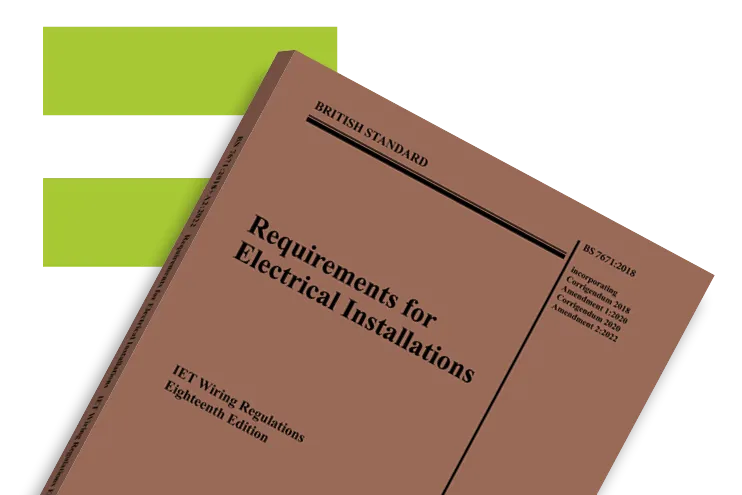
BS 7671 and solar electrical installation
Understand BS 7671 when comparing solar electrical work. Ask about design, testing and documentation; it is not an installer accreditation scheme.

MCS Accredited Installers
Compare solar companies with MCS category records. Check current certification, technology scope and the installer named on your quotation.

RECC Accredited Installers
Compare solar companies with RECC category records. Check current membership, quotations, payment protection and consumer guidance.

Trustmark Accredited Installers
Compare solar companies with TrustMark category records. Check current registration, relevant work, consumer protection and contract details.

NAPIT Accredited Installers
Compare solar companies with NAPIT category records. Check the registered business, certification scope and installation paperwork.
General:
Open Weekends
Solar Installers that are open on weekends.
Off Grid Installs
Find off-grid solar installers for UK homes, cabins and remote sites. Compare system design, battery storage, winter performance and installation quotes.
Commercial Installs
Find commercial solar installers. Compare site surveys, system design, installation scope, maintenance and financial assumptions.
Solar types:
Solar Thermal Heating Systems
Find solar thermal installers for hot-water systems. Compare cylinder compatibility, installation work, servicing and contractor experience.
Solar PV (Photovoltaic) Panels
Find solar panel installers and compare PV designs, survey scope, installation quotes, export paperwork and aftercare.
Solar Battery Storage Systems
Find solar battery storage companies. Compare retrofit compatibility, usable capacity, backup requirements, installation work and warranties.